Dreaming about a place where you can walk to dinner, spend the afternoon at the beach, and still feel connected to downtown Sarasota? Buying a vacation home around St. Armands Circle can offer exactly that, but it also comes with some very Florida-specific decisions. If you are weighing lifestyle, ownership costs, and possible rental income, this guide will help you think through the details that matter most. Let’s dive in.
Why St. Armands Appeals to Vacation Buyers
St. Armands Circle is one of the most recognizable destinations in Sarasota. The City of Sarasota describes it as an upscale district with more than 130 stores and restaurants, easy access to Lido Beach, and a connection to downtown Sarasota and Lido Key through the Bay Runner trolley.
For many second-home buyers, that mix is the draw. You are not just buying a property. You are buying walkability, beach access, and a compact coastal setting where dining, shopping, and recreation are close at hand.
That said, St. Armands is also part of a barrier-island environment. Sarasota’s planning documents identify the barrier islands as areas that include beaches, housing, and visitor destinations, and Sarasota County notes that people in barrier islands and other low-lying areas should be prepared to evacuate early during storms.
Start With Your Main Goal
Before you compare homes and condos, get clear on how you plan to use the property. Your answer affects everything from ownership costs to insurance planning to whether a property makes sense as a rental.
In most cases, buyers around St. Armands fall into one of three groups:
- You want a personal getaway for occasional use
- You want a seasonal home for part of the year
- You want a vacation home that may also produce rental income
A property can look perfect at first glance but become less appealing once you match it to your real use case. That is why your buying plan should come before your property search.
Compare Homes and Condos Carefully
One of the biggest choices around St. Armands is whether to buy a detached home or a condo-style property. Florida’s vacation-rental rules treat these property forms differently, which matters if rental use is part of your plan.
Florida recognizes a Vacation Rental – Dwelling for single-family houses, townhouses, duplexes, triplexes, and quadruplexes. It also recognizes a Vacation Rental – Condominium for condo and co-op units. That distinction affects the compliance path and the day-to-day ownership experience.
Detached Homes
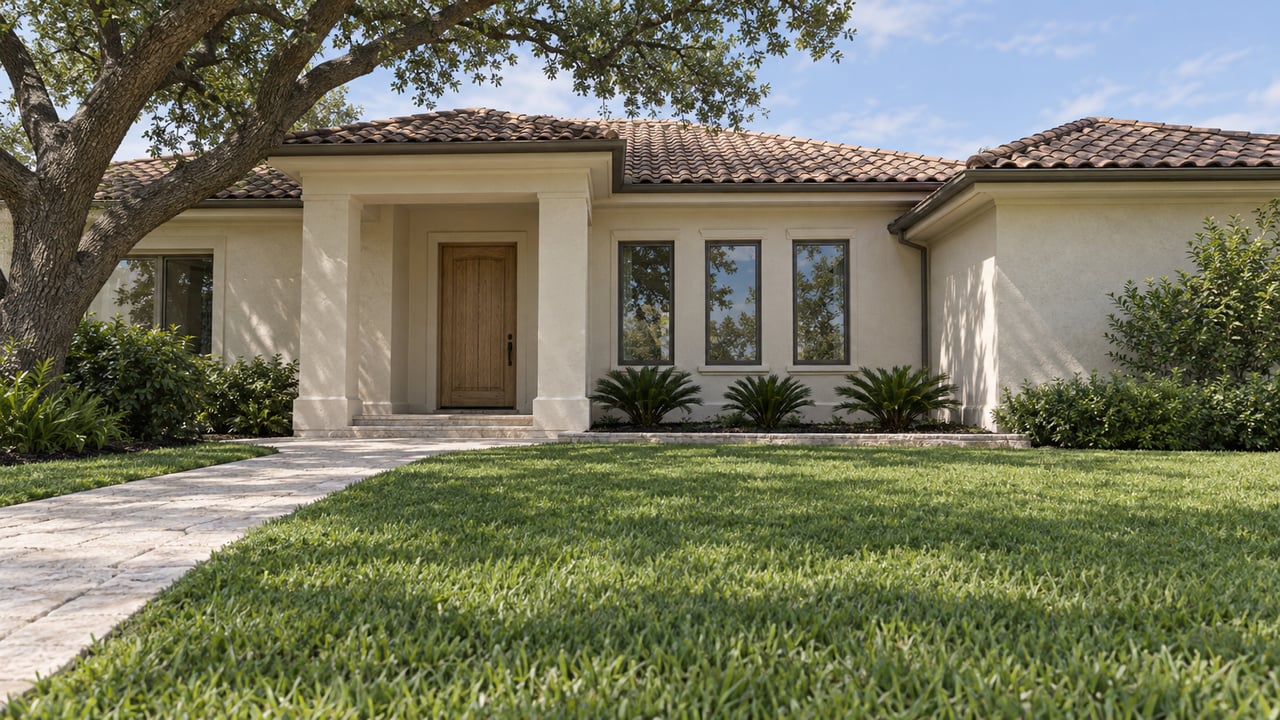
A detached home may offer more privacy, more outdoor space, and more flexibility in how you enjoy the property. If you picture hosting family, storing beach gear, or simply having a little more breathing room, a house may feel like the better fit.
But with that added freedom can come more personal responsibility. You may have more direct responsibility for exterior maintenance, storm preparation, and parking logistics if you plan to rent the property.
Condos
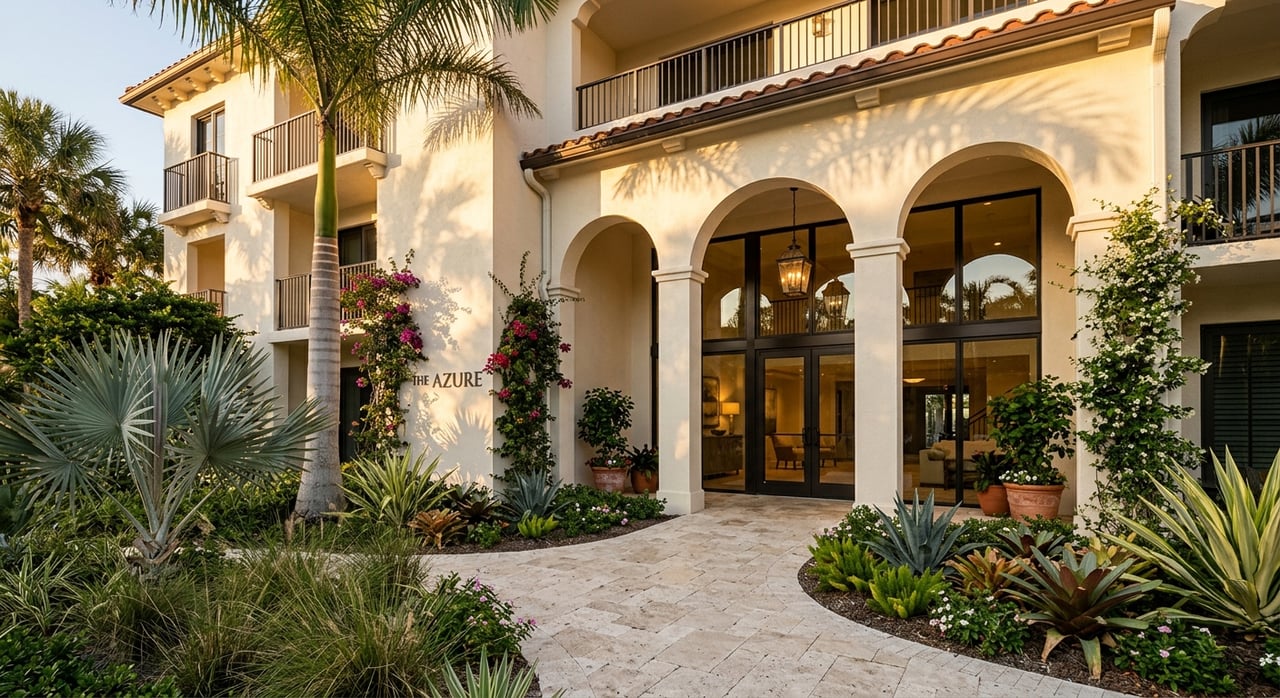
Condos often appeal to buyers who want simpler ownership and a lock-and-leave lifestyle. If you live out of state and want a vacation property that may feel easier to manage, a condo can be an attractive option.
Still, condos require a different level of document review. In Florida, residential condominium and cooperative buildings that are three habitable stories or higher are subject to milestone inspections and structural integrity reserve studies, and those records must be made available to prospective buyers.
Understand Vacation Rental Rules First
If rental income is part of the appeal, do not assume a property can be used the way the last owner used it. Around St. Armands, intended use should be checked early, before you treat any property as a rental candidate.
The City of Sarasota says short-term vacation rentals are allowed in Residential Zoning Districts citywide, but the city’s registration rule does not apply to owner-occupied vacation rentals, condominiums, cooperatives, or properties rented for 30 consecutive days or more. This means the zoning, ownership structure, and rental pattern all matter.
The city also says the minimum stay for a short-term vacation rental inside city limits is 7 full days and 7 full nights. For some buyers, that works well with seasonal demand. For others, it changes the revenue picture enough to affect what they are willing to pay.
Another key point is that a city certificate of registration does not transfer from one owner to the next. Sarasota requires a new owner to obtain a new certificate within 15 days of a sale or transfer.
State Licensing Matters Too
Local rules are only part of the picture. Florida’s DBPR guide says a vacation rental license is generally needed when an entire unit is rented more than three times in a calendar year for less than 30 days, or when it is advertised or presented to the public as regularly rented.
The state also separates license paths for dwelling-type properties and condo or co-op units. That is one more reason property type should be part of your decision from the start, not an afterthought.
Budget for True Carrying Costs
A vacation home budget should go beyond your mortgage payment. Around St. Armands, the most important cost categories usually include property taxes, flood insurance, maintenance, and any compliance costs tied to rental use.
A second home is typically a non-homestead property. Florida’s homestead exemption applies when the owner makes the property a permanent residence, and Sarasota County’s property appraiser notes that non-homestead assessed values are capped at 10% annual increases.
The practical takeaway is simple: budget as a non-homestead owner. Even if assessed growth is limited, your tax planning for a vacation home will not look the same as it would for a primary residence.
Flood and Storm Planning Are Essential
In a barrier-island location, flood planning is not optional. It is part of the buying decision from day one.
The City of Sarasota participates in the National Flood Insurance Program and currently has a CRS Class 5 status, which can reduce flood-insurance premiums by up to 25% before policy fees. That can help with long-term ownership costs, but buyers still need to price flood insurance separately.
The city also notes current flood map information should be checked using the FIRM and FIS that became effective on March 27, 2024. If you are comparing multiple homes, verifying flood zone, coastal-wave exposure, and evacuation zone can help you understand the risk profile of each option more clearly.
It is also important to remember that most homeowners insurance policies do not cover flood damage, and flood insurance generally takes effect 30 days after purchase. If you wait too long to plan for coverage, you may create unnecessary risk.
Condo Buyers Need Extra Due Diligence
If you are considering a condo near St. Armands Circle, document review should be a major part of your process. Price, views, and location matter, but so do building records and reserve planning.
Florida’s current condo-safety requirements mean some buildings must complete milestone inspections and structural integrity reserve studies. DBPR says those records are part of the association’s official records and must be provided to prospective purchasers.
For you, that means asking careful questions before you go under contract. A condo that looks appealing online may feel very different once you review inspection history, reserve requirements, and the broader ownership obligations inside the association.
Rental Income Requires a Real Pro Forma
Vacation homes around St. Armands are often lifestyle purchases first. If you also want rental income, build your numbers conservatively.
Taxes and administrative costs need to be part of your forecast. Florida Department of Revenue materials show Sarasota County’s current combined rate for living and sleeping accommodations is 13%, with 6% of that tied to the county tourist-development portion.
Sarasota County tax collector materials also say tourist-tax returns are due by the 20th of the month following the month rent is collected. In addition, county registration materials note that property available for rent for less than one month needs a business tax receipt.
These are not small details. They affect both the net income picture and the effort required to keep a property compliant.
Do Not Overlook Parking and Guest Logistics
Parking may not sound like a deal-breaker at first, but in a high-demand coastal area, it can shape both convenience and rental appeal. The City of Sarasota notes one-hour parking restrictions in adjacent neighborhoods and requires vacation-rental parking to comply with the approved on-site plan.
If you plan to host family or rent to seasonal guests, count parking as part of the property’s functionality. A beautiful location is still easier to enjoy when arrival, unloading, and day-to-day use feel straightforward.
A Smart Buying Checklist for St. Armands
Before you move forward on a vacation home around St. Armands Circle, keep this checklist in front of you:
- Verify the current flood zone, coastal-wave exposure, and evacuation zone
- Price flood insurance separately from homeowners insurance
- Confirm whether your intended use is personal, seasonal, or short-term rental
- Review city rental rules, including the 7-day minimum stay requirement
- Check whether state vacation-rental licensing would apply
- If buying a condo, review milestone inspections, reserve studies, and association records
- Include lodging taxes, registration needs, and filing timelines in your rental projections
- Treat parking and on-site parking compliance as part of the decision
Final Thoughts on Buying Near St. Armands Circle
Buying a vacation home around St. Armands Circle can be a wonderful lifestyle move if you go in with clear expectations. The area offers beach access, walkability, and a strong sense of place, but it also demands thoughtful planning around flood risk, ownership costs, and rental compliance.
When you approach the search with the right local guidance, it becomes much easier to match the property to your goals. Whether you are looking for a lock-and-leave condo or a detached coastal retreat, the best decision is usually the one that fits both your lifestyle and the realities of ownership in this part of Sarasota.
If you are thinking about a second home in St. Armands or anywhere nearby, the team at RSTS Group can help you evaluate options with clarity, local insight, and a calm, well-guided process.
FAQs
What makes St. Armands Circle attractive for a vacation home?
- St. Armands Circle offers a rare mix of walkability, access to more than 130 stores and restaurants, proximity to Lido Beach, and convenient connection to downtown Sarasota and Lido Key.
What should buyers know about flood risk near St. Armands?
- Because St. Armands is in a barrier-island setting, you should verify flood zone, coastal-wave exposure, and evacuation zone, and you should price flood insurance separately since standard homeowners policies generally do not cover flood damage.
What is the short-term rental minimum in the City of Sarasota?
- The City of Sarasota says short-term vacation rentals inside city limits require a minimum stay of 7 full days and 7 full nights.
What should condo buyers review before buying near St. Armands Circle?
- If you are buying a condo, review association records, milestone inspections, and structural integrity reserve studies when applicable, since these records must be available to prospective purchasers.
What taxes apply if you rent out a vacation home in Sarasota County?
- Research materials show Sarasota County’s current combined rate for living and sleeping accommodations is 13%, and tourist-tax returns are due by the 20th of the month following the month the rent is collected.