Two numbers came out of Siesta Key this year that should not be able to coexist. Zillow's home value index for the island showed values down about 5.4 percent year over year as of June 2026. Over that same stretch, Orchard's 30-day snapshot of closed sales showed the median sale price up 53.2 percent year over year, even as days on market climbed to 70. A market cannot be losing value and setting record closing prices at the same time, not in the way most people read those headlines.
It can, though, if the properties actually closing are not a random sample of the island's condo stock. They are the ones with clean paperwork.
The deadline everyone is watching is not the one that already hit
Ask most Siesta Key condo owners about the milestone inspection law and they will tell you about December 31, 2026. That is the completion deadline for buildings coordinating a milestone structural inspection with a Structural Integrity Reserve Study under Florida Statute 553.899, the law that came out of the 2022 legislative response to the Champlain Towers South collapse and has since been amended by SB 154 and HB 913. It is a real deadline, and it matters.
But it is not the number already showing up on this year's HOA statements.
That number arrived on January 1, 2026. Under the same statute, associations that adopted budgets after December 31, 2024 lost the ability to waive or reduce reserve funding for major structural components at all. Associations with older, previously waived budgets got one more year, but they were required to begin funding the schedule laid out in their reserve study starting this January, regardless of where they stand on the inspection calendar. A building can be mid-inspection, waiting on a Phase 2 report, or years from its next milestone review, and its owners are still funding reserves at the full statutory rate right now.
That is the quiet mechanism behind the slowdown. Buyers touring Siesta Key condos this year are not asking primarily whether a building passed its inspection. Many of the island's older buildings already have, since any condominium whose certificate of occupancy predates July 1, 1992 faced its first milestone deadline back in December 2024. What buyers are asking now is what the association's dues actually cover once reserve waivers are gone, because that number moved months before any inspection report did.
Two price signals, and why they split
Here is what that produces in the transaction data. A condo in a building with a completed milestone inspection, a funded SIRS, and clean board minutes closes without much drama. It sells at a price that reflects genuine demand for Siesta Key, quartz sand and all, and it shows up in the median of what actually closed. A condo in a building still assembling its documentation, or one that has already disclosed a looming special assessment, sits. It does not close, so it does not enter that median at all. It drags down the broader value index instead, the kind Zillow tracks by estimating the value of the entire stock rather than only the units that sold.
That is why the two numbers point in opposite directions without contradicting each other. The market is not falling and rising simultaneously. It is separating into two markets that used to look like one.
The regulatory sequence explains the timing:
| Date | What changed |
|---|---|
| December 31, 2024 | Reserve waivers ended for any association adopting a new budget after this date |
| January 1, 2026 | Full reserve funding became mandatory for associations previously granted a waiver |
| December 31, 2026 | Completion deadline for milestone inspections and SIRS reports when done concurrently |
Notice that the deadline everyone talks about is last on that list. The dues increase already happened.
What a clean building looks like on paper
If you are getting ready to list a Siesta Key condo this fall, the documents you gather before your agent writes the listing description do more work than the description itself. A buyer's lender, and increasingly the buyer, will want to see:
- The completed milestone inspection report, or written confirmation of where the building stands in the Phase 1 or Phase 2 process
- The National Law Review says a Structural Integrity Reserve Study must address the roof, load-bearing structure, and waterproofing
- The association's funding schedule showing how reserves are being collected against that study
- Board meeting minutes from at least the past year, which show whether repair decisions were made calmly or under pressure
- Any record of a special assessment vote, passed or proposed
Buildings that can produce all of this quickly are the ones closing at the prices showing up in this year's sold data. Buildings that cannot are the ones adding to the island's average time on market. This is also the reason lenders have grown more cautious nationally, not just in Sarasota. Fannie Mae's list of condo buildings ineligible for conventional financing grew from a few hundred nationwide before 2021 to roughly 5,000 by last year, a direct consequence of lenders declining to underwrite buildings with thin reserves or unresolved structural findings. A financed buyer who cannot get a loan on your building is not a buyer at all, which pushes that unit toward Siesta Key's smaller, more patient pool of cash purchasers and slows the sale further.
The lighting question the statute does not mention
There is a second layer of friction specific to this island and this season, one that a generic Florida condo guide will not flag. Sea turtle nesting season runs from May 1 through October 31 under Sarasota County's Marine Turtle Protection Code, which explicitly covers Siesta Key along with Lido, Casey, and Manasota Keys. Mote Marine's Sea Turtle Conservation and Research Program, now in its 45th year, patrols the county's 35 miles of nesting beach from Longboat Key to Venice every morning through the season. Last year was a record one: 5,735 nests counted, the most since tracking began in 1982, alongside 716 documented disorientation events tied to artificial lighting, also a record.
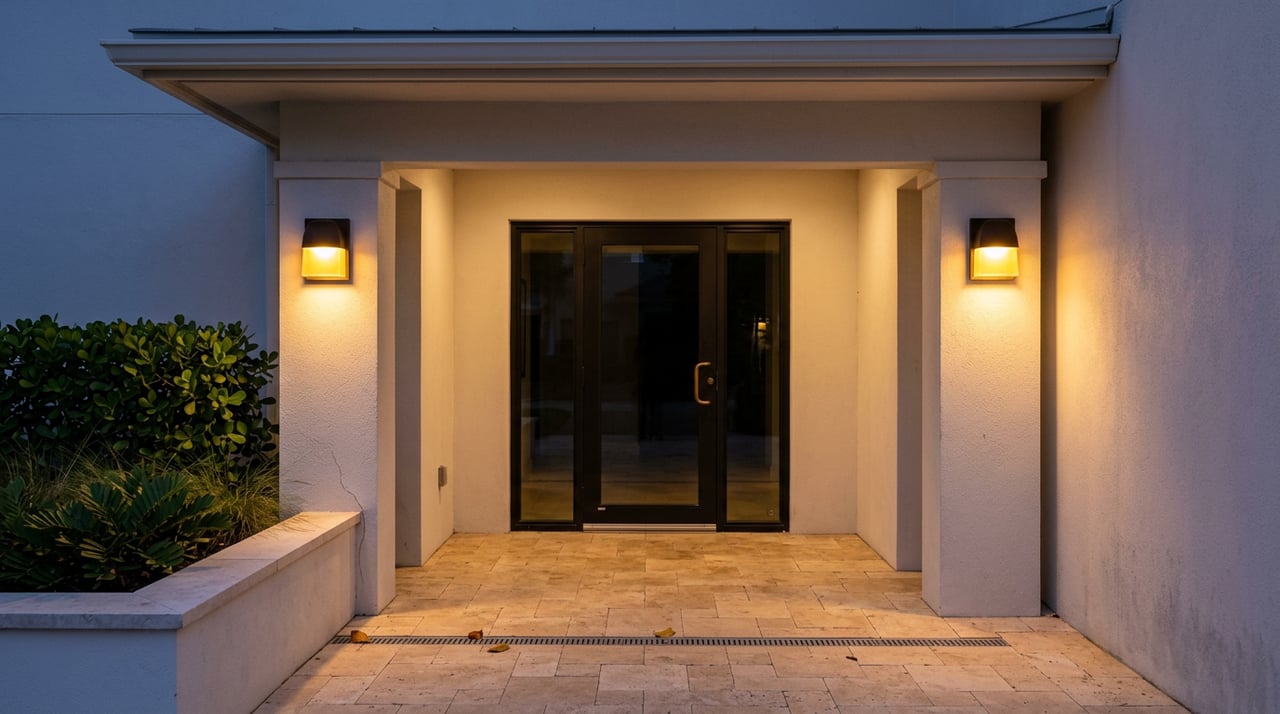
Here is where that intersects with your milestone paperwork. If your association's inspection turned up findings that require exterior work, a balcony railing replacement, a repaved pool deck, new common-area fixtures, and that work happens to fall between May and October, any new exterior lighting installed as part of the fix has to meet the county's turtle-friendly lighting standards before it goes in. That means low-mounted, shielded, long-wavelength fixtures rather than whatever was there before. It is a small requirement on its own, but it is one more approval a board has to secure while it is already managing engineers, contractors, and a reserve study, and it is the kind of detail that shows up in association minutes right when a buyer's attorney is reading them.
For a seller, the practical upshot is simple. If your building is mid-repair this fall, ask whether any new lighting has been reviewed against the county's code. It is a five-minute question that keeps a clean paper trail clean.
What this means if you are listing this fall
The Siesta Key condo market this year is not rewarding the lowest price or the best view on its own. It is rewarding documentation that a buyer's lender can approve without a fight. Given that a meaningful share of Siesta Key transactions involve significant cash, this market is less exposed to mortgage rate swings than most Florida coastal markets, and more exposed to the carrying-cost question a clear reserve schedule answers. A rate cut will not fix a building with an unfunded reserve. A completed SIRS might fix the sale.
If you are weighing whether to list this fall, the highest-leverage move is not staging or pricing strategy first. It is calling your association manager and asking for the documents above before your listing goes live. A building that can hand a buyer's agent a complete package in the first week of the contingency period sells differently than one still tracking down board minutes three weeks in.
RSTS Group works through this exact sequence with Siesta Key sellers before a home goes to market, from reading the reserve study line by line to coordinating with contractors on any exterior fixes a building still needs. If you want a straight read on where your building stands and what it means for your timeline, our seller's guide is a good starting point, and we are always glad to walk through your specific association's documents in person.
A few questions we hear
Does every Siesta Key condo need a milestone inspection? The Florida condo inspection guidance says milestone inspections apply only to condominium and cooperative buildings three or more habitable stories tall. Single-family homes, duplexes, and smaller low-rise buildings fall outside the statute entirely.
What if my building's SIRS is not finished yet? Say so plainly in your disclosures and gather whatever documentation exists, including engagement letters with the engineering firm and any preliminary findings. An honest, in-progress paper trail moves buyers forward. Silence does not.
Does turtle season actually stop me from listing a Gulf-front condo? No. It only affects new exterior lighting installed during the season. Listing, showing, and photographing your home are unaffected, though evening photography sessions should avoid bright, unshielded lighting facing the beach as a matter of both compliance and courtesy to nesting turtles.
This article is general information, not legal, tax or financial advice. Consult a qualified professional about your situation.